


 EN
EN  NL
NL 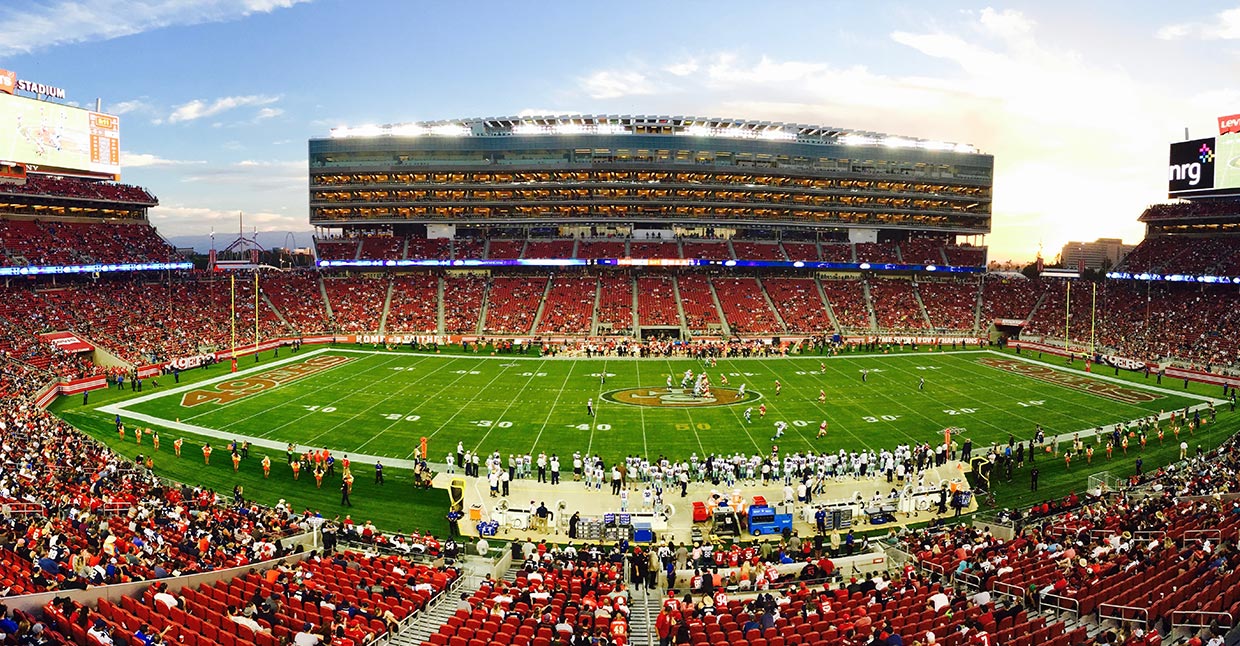
The Super Bowl commercials were incredibly entertaining again this year – but with one small adjustment, they could be so much more effective!
$5,600,000 for 30 seconds. It's a hefty price, but you get something in return: your commercial on American TV during the Super Bowl. When you're paying nearly 200,000 per second, you want to make that airtime count. However, the same mistake is still often made at this point. Even at the highest level of advertising.
Super Bowl: the biggest stage for commercials
Last weekend, an estimated 100 million fans were glued to their screens for the American Football event of the year: the Super Bowl. During this annual highlight of American television, it's no longer just about the sport. Even when the players are not on the field, there's plenty to enjoy. The commercial breaks alone make the event worth watching.
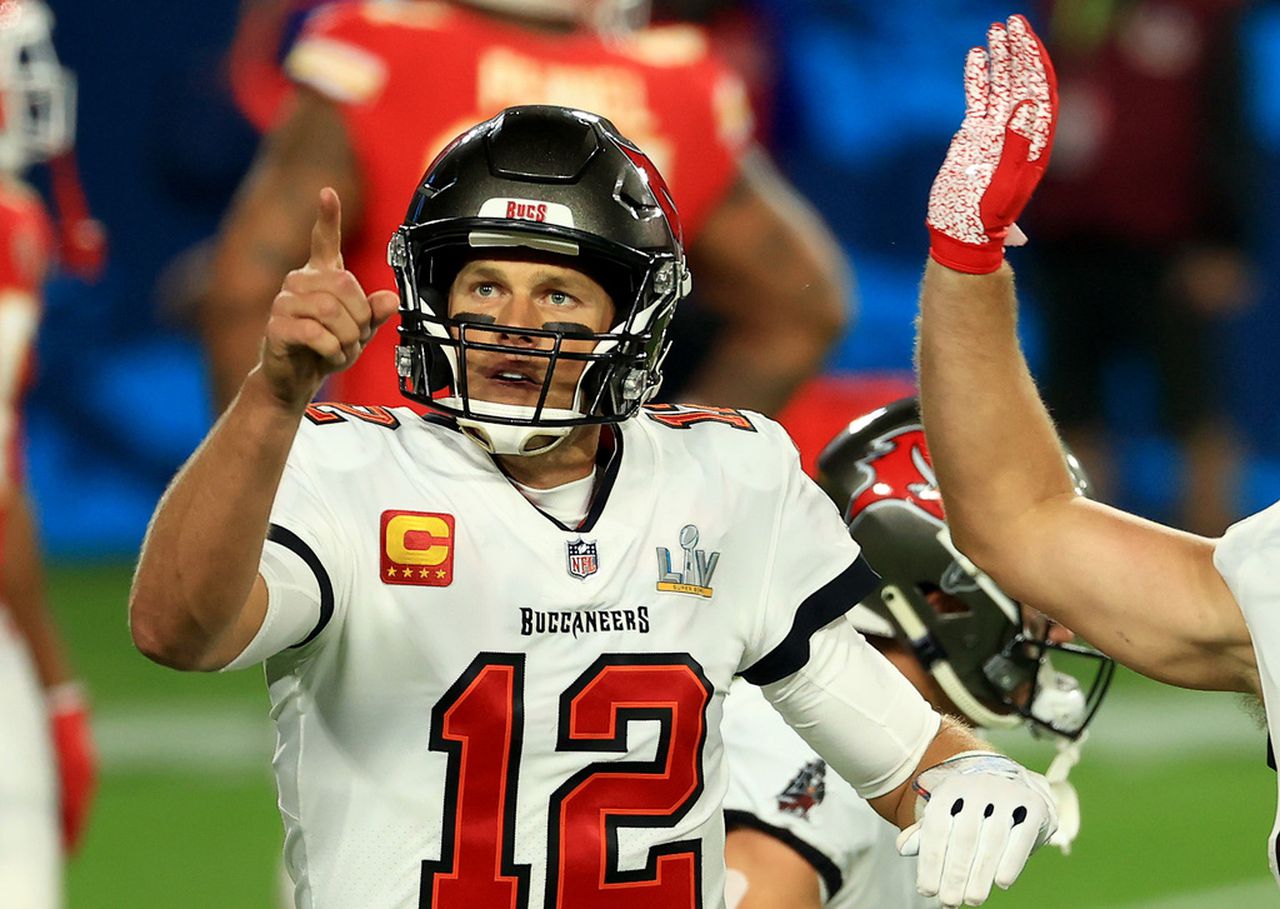
Photo by Mike Ehrmann / Getty Images
Every year, the biggest companies in America pull out all the stops in the production of their Super Bowl commercials. Famous actors, captivating stories, and special effects; everything is considered. Yet, we still see the same costly mistake being made in many commercials: the brand is only revealed at the end of the commercial.
Early brand communication is key
The moment a viewer recognises a brand, it becomes active in their memory. When the commercial then presents positive product claims and funny scenes, these are associated in the brain with the previously recognised brand. Seeing Coca-Cola followed by a Christmas theme will associate warm Christmas feelings with Coca-Cola.
However, the reverse is also true: the part of the commercial that occurs before brand recognition is much less strongly associated with the brand. At this point, the brand was not yet active in the viewer's brain.
To make optimal use of your valuable advertising time, it is therefore wise to communicate your brand as early as possible in the commercial. The earlier you reveal your brand, the more time you have to create positive associations.
Scientific research underscores the benefit of early brand communication: commercials where the brand name was shown at the beginning proved more effective than the same commercials where the brand name was shown at the end (Baker, Honea & Russell, 2004).
Major brands burn their fingers
Experienced Super Bowl advertisers like Bud Light and Tide have mastered the art of early brand communication for years. The brand is often shown or mentioned in the first scene of the commercial. Despite this good example, many other major brands still go wrong.
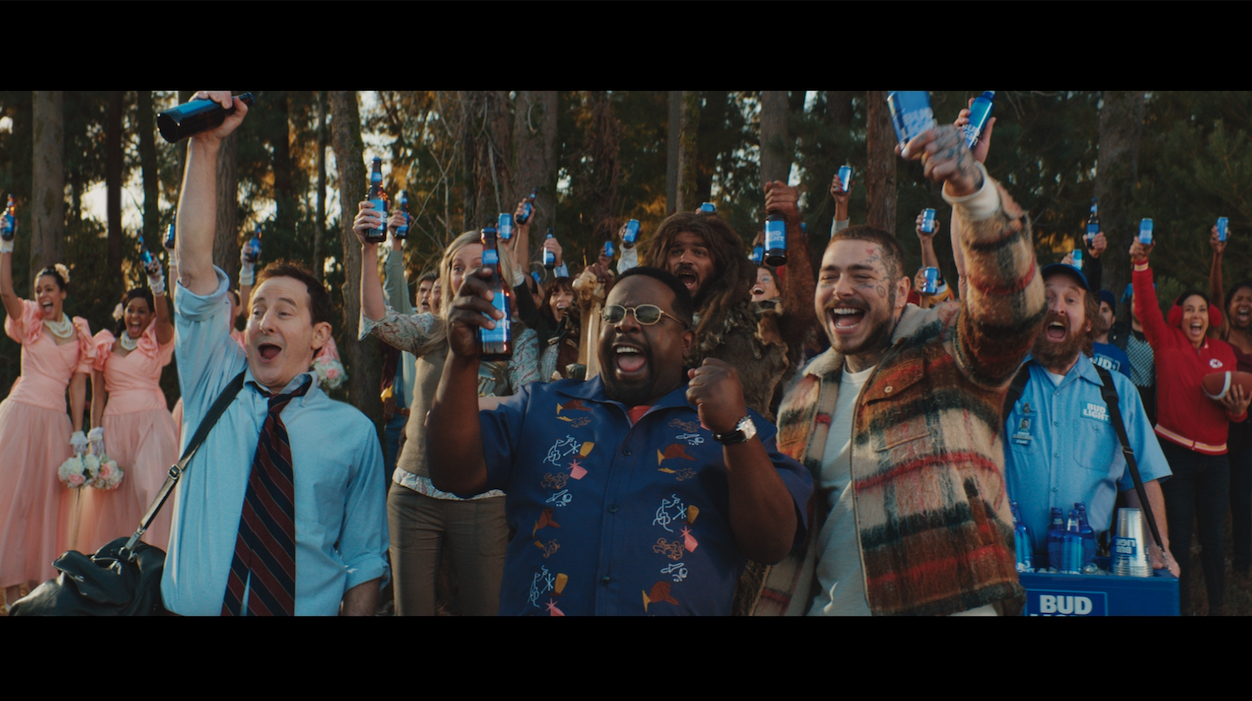
This year, brands like Doritos, Cadillac, and T-Mobile showed that not every brand takes advantage of an early brand identifier. In their 60-second Super Bowl commercials, it only becomes clear which brand it is after 45 seconds. The first 45 (expensive!) seconds – no matter how entertaining – will do little for brand building. Far fewer positive brand associations from the commercial will find their way into the viewer's long-term memory.
Why is this mistake still made?
Advertisers have roughly two reasons for pushing brand identifiers to the end of the commercial:
The first reason is born out of convenience: it's relatively simple to display the brand during the end card. Plain background, logo, slogan – it's child's play. In contrast, it demands much more of the creative ability of the advertiser to naturally integrate the brand early in the commercial. Brand pulsing, as the strategy is called to weave the brand directly and indirectly through the commercial, turns a fun commercial into an effective one.
Secondly, some advertisers fear that early brand display detracts from the narrative of the commercial. Attention might wane at the sight of the brand, causing the viewer to disengage. However, the empirical data will reassure them: early brand identification does not diminish attention, often quite the opposite.
Test for exceptions
Delayed brand identifiers often do not garner extra attention, but significantly less brand recognition and association formation. Our best practice is therefore: communicate the brand early in the commercial.
Of course, no best practice applies in 100% of cases. Take, for example, the Soda Stream commercial from last year's Super Bowl (see video below). The climax of the joke and the brand reveal, around second 45, is one of the emotional highlights of the commercial, as shown by our neuro-test. The positive emotion (orange graph), measured with an EEG brain scan, spikes. The reason: the brand reveal is integrally woven into the narrative of the commercial.
Did keeping the brand secret help make the joke an emotional highlight? Or would the climax have been just as great if the brand was already known to the viewer? Neuro Advertising Research provides answers to these questions.
In an ideal test setup, you present two groups with different versions of the advertisement: the current version where the brand remains secret for a long time and a version with early brand communication. Using an Eye Tracker, you first test whether the brand identifier is seen. Additionally, an EEG measures how the brand identifier is experienced. Does the joke and brand reveal in both cases evoke an equally strong positive emotion?
Read more about our Neuro Advertising Research on this page.
Reference
Baker, W. E., Honea, H., & Russell, C. A. (2004). Do not wait to reveal the brand name: The effect of brand-name placement on television advertising effectiveness. Journal of Advertising, 33(3), 77-85.


